

The Direct Answer: Timing of Egg Release
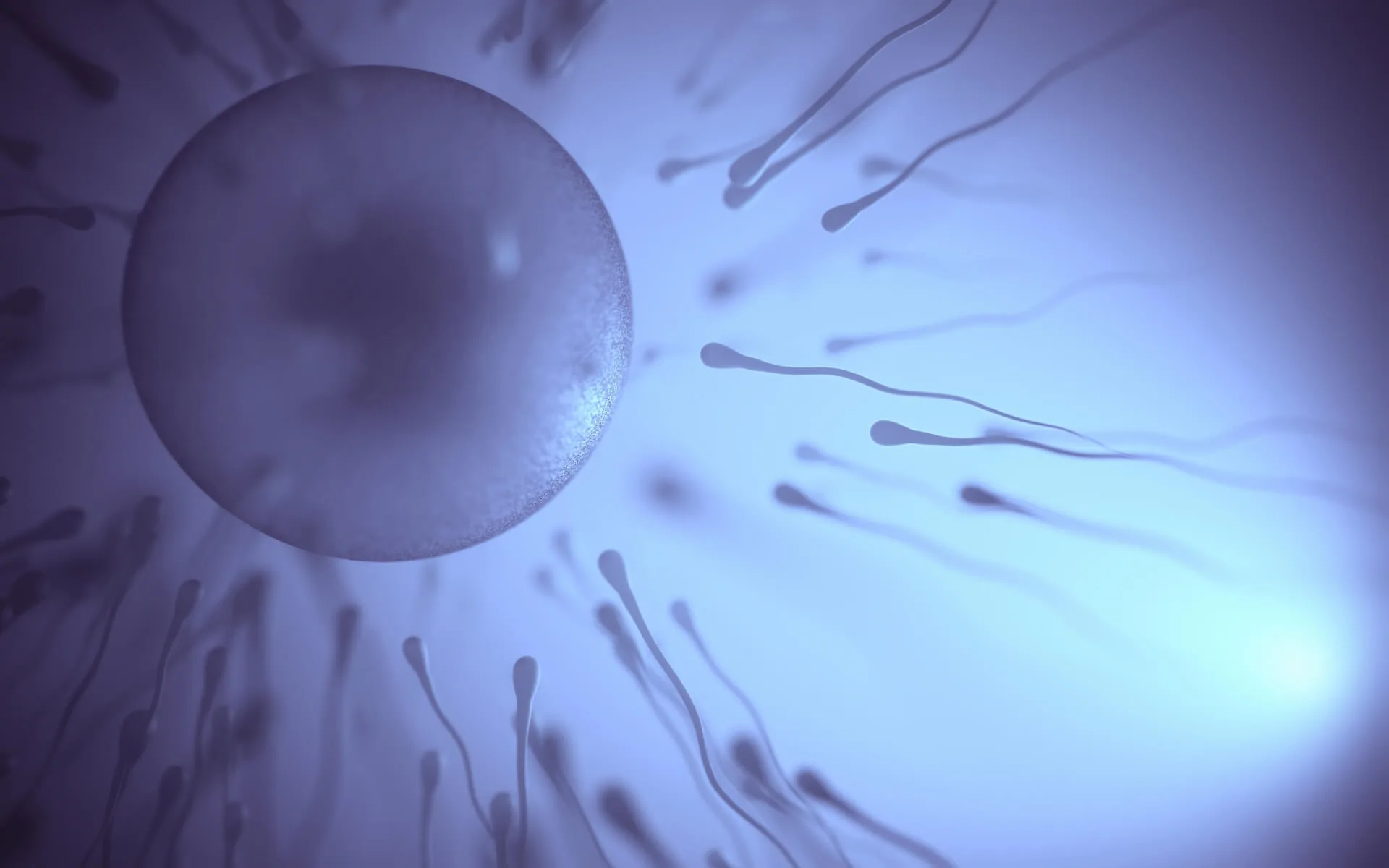
If you’re searching “how long after ovulation pain is the egg released,” here is the direct answer: the egg is released during or within hours of the pain you’re feeling. Not days later. Not the next cycle. Right now.
Ovulation pain — medically called mittelschmerz (German for “middle pain”) — is triggered by the rupture of the mature ovarian follicle. This is the precise biological event that releases the egg. Research by O’Herlihy BMJ, 1980 using ultrasound confirmation demonstrated that mittelschmerz correlates closely with the day of follicle collapse — meaning the pain and the egg release are essentially simultaneous events.
In practical terms: if you feel that characteristic one-sided twinge or cramp at mid-cycle, ovulation is happening now or will happen within the next 12–24 hours. The egg itself survives only 12–24 hours after release, which is why understanding this timing matters so much for fertility.
What Causes Ovulation Pain?
To understand why ovulation hurts for some women, you need to understand what happens inside the ovary during the days leading up to egg release.
Each cycle, a dominant follicle grows on one ovary, reaching approximately 18–24 mm in diameter before it ruptures. That’s roughly the size of a large grape developing on the surface of an organ the size of an almond. The follicle is essentially a fluid-filled sac under increasing pressure. When it finally ruptures, it releases the egg along with follicular fluid and sometimes a small amount of blood.
Several mechanisms contribute to the pain:
- Follicular stretching: As the follicle expands in the hours before rupture, it stretches the ovarian capsule (surface). This can cause a dull ache or building pressure sensation even before the egg is released.
- Follicular rupture: The actual moment the follicle wall breaks open can produce a sharp, sudden pain. This is the most common sensation women describe — a brief, distinct twinge.
- Peritoneal irritation: After rupture, follicular fluid and sometimes a small amount of blood spill into the pelvic cavity and contact the peritoneum (the membrane lining the abdomen). This can cause a dull, achy sensation that persists for hours after the egg is released.
- Prostaglandin release: Prostaglandins — the same inflammatory mediators involved in period cramps — are released during ovulation and contribute to both follicular rupture and the pain response.
This is not dangerous. Mittelschmerz is a normal physiological event. It affects approximately 40% of reproductive-age women Brott & Le, StatPearls 2022, though not every woman experiences it every cycle. Some women feel it intensely; others never notice it at all. Both are completely normal.
How Long Does Ovulation Pain Last?
The duration of mittelschmerz varies, but most women experience it for a few minutes to a few hours. Here is the typical range:
- Minutes: A sharp, sudden twinge that resolves quickly — this usually corresponds to the actual moment of follicular rupture.
- Several hours: The most common pattern. A dull ache or cramping sensation that develops at or around ovulation time and fades within 6–12 hours.
- Up to 48 hours: Some women experience low-grade discomfort for a day or two, typically from peritoneal irritation caused by follicular fluid.
The pain is usually one-sided, occurring on whichever side the dominant follicle developed that cycle. It may feel like it alternates sides month to month, but ovulation does not perfectly alternate between the left and right ovary. The dominant follicle is selected somewhat randomly each cycle, with a slight bias toward the right ovary.
If mid-cycle pain lasts more than 3 days, is severe enough to interfere with daily activities, or is accompanied by fever, heavy bleeding, or vomiting, see your OBGYN. Pain at this severity or duration is likely not simple mittelschmerz and may indicate an ovarian cyst rupture, endometriosis, or another condition that needs evaluation. Schedule a well-woman exam if you are unsure.
Ovulation Pain and Fertility Timing
If you’re trying to conceive, mittelschmerz is a signal worth paying attention to — but with an important caveat about reliability.
When you feel ovulation pain, you are at or near your most fertile window. Here is why the timing works:
- The egg survives 12–24 hours after release from the follicle. After that, it is no longer viable for fertilization.
- Sperm survive up to 5 days in the female reproductive tract under optimal conditions (cervical mucus quality matters).
- The fertile window is therefore approximately 5 days before ovulation through 1 day after ovulation.
- Highest conception probability comes from intercourse on the day of ovulation and the 1–2 days immediately before it ACOG, 2019.
If you feel ovulation pain and are trying to conceive, have intercourse that day and the following day. Since the egg survives only 12–24 hours, timing matters. Ideally, sperm should already be in the reproductive tract when the egg is released — which is why intercourse in the days leading up to ovulation is equally or even more important than intercourse on the day of pain. If you are actively trying to conceive, consider combining pain tracking with OPKs for more reliable prediction.
An important limitation: mittelschmerz is a secondary fertility sign. Not all women feel it, it does not occur every cycle, and by the time you feel the pain, ovulation is already underway. Primary fertility indicators — ovulation predictor kits (OPKs), basal body temperature tracking, and cervical mucus assessment — provide more advance notice and more reliable prediction. For patients actively trying to conceive, we discuss comprehensive fertility tracking as part of prenatal care planning.
Before, During, or After? The Timing Question
One of the most common questions is whether ovulation pain occurs before, during, or after the egg is actually released. The answer is that it can be any of these, depending on the mechanism producing the pain in that particular cycle:
Pain Before Ovulation
As the dominant follicle reaches its maximum size (18–24 mm), it stretches the ovarian capsule. Some women feel a building pressure or dull ache in the hours before the follicle actually ruptures. This pre-rupture pain means the egg has not yet been released but will be soon — typically within hours.
Pain During Ovulation
The sharp, sudden twinge that many women describe as “classic” mittelschmerz corresponds to the moment of follicular rupture itself. The follicle wall breaks, and the egg is released along with follicular fluid. If you feel this sharp pain, the egg is being released at that moment.
Pain After Ovulation (Brief)
After follicular rupture, the released follicular fluid and small amount of blood can irritate the peritoneum, causing a lingering dull ache. This post-rupture discomfort means the egg has already been released. The pain is from the aftermath, not the event itself.
The key point: regardless of which phase you feel, the egg is released during or within 12–24 hours of pain onset. The O’Herlihy ultrasound study BMJ, 1980 confirmed that women who experienced mittelschmerz consistently had their pain on the day of documented follicle collapse. The pain and the ovulation are, for practical purposes, the same event experienced from different angles.
It is also worth noting: some women feel nothing at all. Absence of mittelschmerz does not mean you are not ovulating. The majority of women (approximately 60%) never notice ovulation pain. If you are relying on body signals to time intercourse, you will want additional indicators.
When Ovulation Pain Is NOT Normal
Mittelschmerz is benign and self-limiting. But not all mid-cycle pelvic pain is mittelschmerz. The following features suggest something other than normal ovulation pain and warrant medical evaluation:
- Severe pain lasting more than 48 hours — true mittelschmerz rarely persists beyond two days
- Pain accompanied by fever — infection or inflammatory pathology
- Heavy vaginal bleeding (beyond light spotting) at mid-cycle
- Nausea or vomiting with acute pelvic pain
- Pain every day of the cycle, not just at mid-cycle
- Pain that gets progressively worse over months
Not all mid-cycle pain is mittelschmerz. Several conditions can produce pelvic pain that coincides with mid-cycle timing: ovarian cyst rupture (can mimic mittelschmerz but is often more severe and may cause internal bleeding), endometriosis (produces cyclic pain that can occur at mid-cycle, not only with periods), ovarian torsion (a surgical emergency — sudden, severe unilateral pain with nausea), and appendicitis (right-sided pain that can be confused with right ovary pain). If you are unsure, see your OBGYN. It is always better to rule out serious causes than to assume.
Tracking Ovulation Pain: Building a Useful Pattern
If you experience mittelschmerz and want to use it as a fertility indicator (or simply to understand your cycle better), keeping a simple log over 3–4 cycles will reveal meaningful patterns.
What to record each cycle:
- Date of pain onset
- Side — left or right (or central/bilateral)
- Duration — minutes, hours, or longer
- Intensity — mild twinge, moderate cramp, or sharp pain
- Character — sharp/sudden, dull/achy, or pressure
After 3–4 cycles, you will likely see a pattern: the pain typically occurs at a consistent point in your cycle (usually around day 14 in a 28-day cycle, but individual variation is significant).
Combining with Other Fertility Signs
Ovulation pain becomes most useful when combined with other tracking methods:
- Ovulation predictor kits (OPKs): Detect the LH surge that occurs 24–36 hours before ovulation. This gives you advance warning that mittelschmerz alone cannot provide. A positive OPK followed by ovulation pain the next day confirms ovulation timing with high confidence.
- Basal body temperature (BBT): Your resting temperature rises approximately 0.2–0.5°C after ovulation due to progesterone. This confirms ovulation after the fact — useful for pattern tracking but not for same-cycle timing.
- Cervical mucus changes: Mucus becomes clear, slippery, and stretchy (egg-white consistency) at peak fertility, typically 1–2 days before ovulation. Combined with mittelschmerz, this provides a corroborating signal.
If you are actively trying to conceive and want to discuss your ovulation patterns, cycle tracking, or fertility concerns, schedule a well-woman exam with Dr. Broad to review your approach and determine whether additional evaluation is warranted.
- Ovulation pain means the egg is being released now or within hours — the pain correlates with follicular rupture, confirmed by ultrasound studies.
- Mittelschmerz typically lasts minutes to 48 hours — most women experience it for a few hours. If it lasts beyond 3 days, see your OBGYN.
- It affects about 40% of reproductive-age women — not every cycle, and absence of pain does not mean you are not ovulating.
- If you feel it and are trying to conceive, you are in your fertile window — have intercourse that day and the next. Ideally, sperm should already be present from the days before.
- Ovulation pain is a secondary fertility sign — combine it with OPKs, BBT, and cervical mucus tracking for more reliable prediction.
- Not all mid-cycle pain is mittelschmerz — severe, prolonged, or worsening pain may indicate ovarian cysts, endometriosis, or other conditions requiring evaluation.