
What Does High Testosterone in Women Mean?
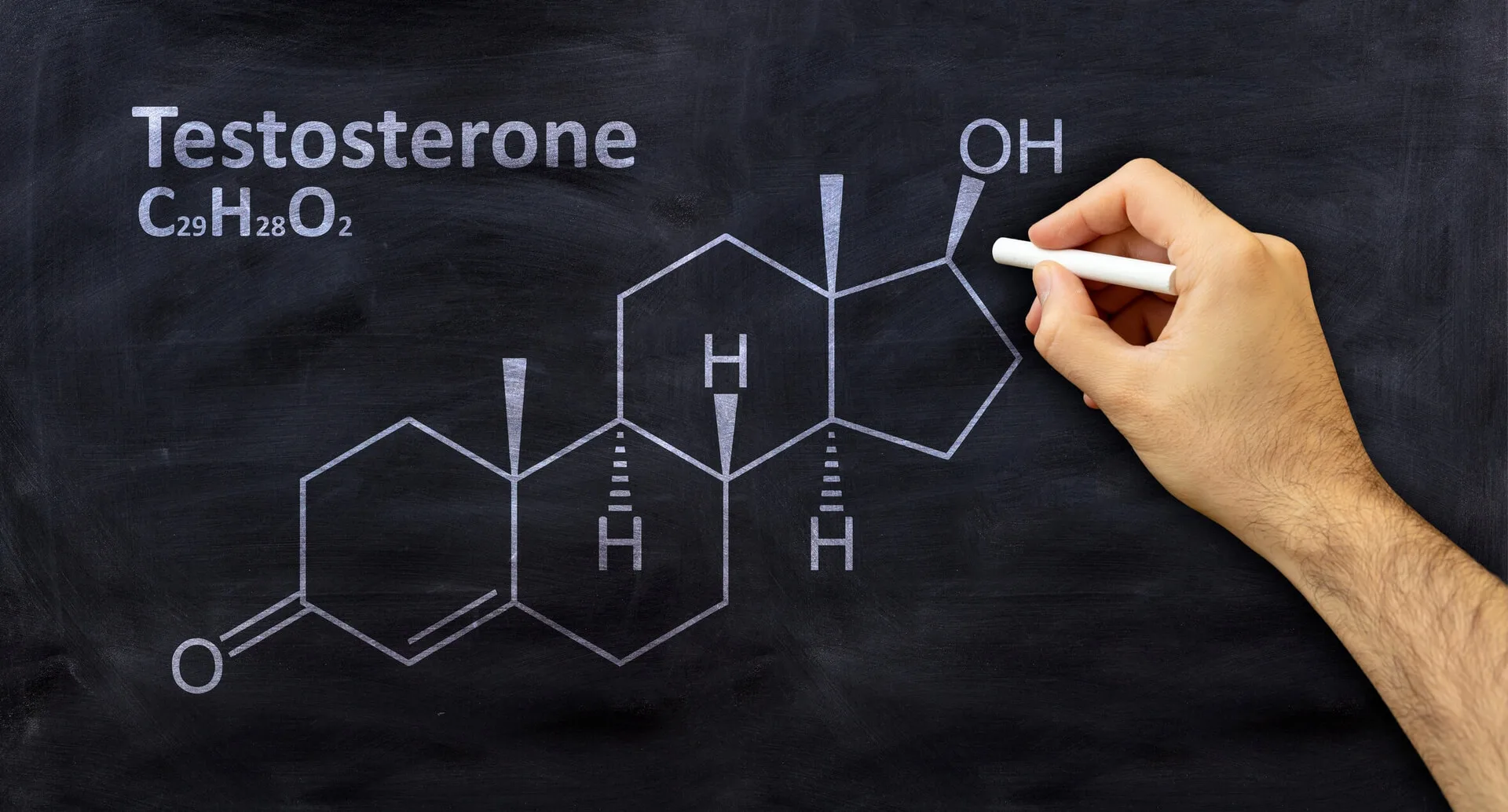
Testosterone is not exclusively a “male hormone.” Women produce testosterone too — from both the ovaries and the adrenal glands — and it plays important roles in bone density, muscle mass, libido, and red blood cell production. The difference is quantity: women produce testosterone at roughly one-tenth to one-twentieth the level that men do.
The normal testosterone range for adult women is approximately 15–70 ng/dL, though reference ranges vary slightly between laboratories. When testosterone rises above the normal range, the medical term is hyperandrogenism — excess androgen activity.
But here is the critical point: elevated testosterone is a symptom, not a disease. It is a laboratory finding that tells you something else is going on. The key is identifying the underlying cause, because treatment depends entirely on why the testosterone is elevated. A 24-year-old with PCOS-related hyperandrogenism needs a fundamentally different approach than a 55-year-old with an adrenal adenoma or a 30-year-old taking DHEA supplements.
It is also worth noting that some women experience symptoms of androgen excess — hirsutism, acne, hair thinning — even when their total testosterone is technically within the normal range. This can happen when free testosterone (the unbound, biologically active fraction) is elevated, or when androgen receptor sensitivity is increased. The clinical picture matters as much as the lab number.
Causes of Elevated Testosterone
There are several conditions that can drive testosterone levels above normal in women. Understanding the cause is essential because it determines both the urgency and the treatment strategy.
Polycystic Ovary Syndrome (PCOS)
PCOS is by far the most common cause of elevated testosterone in reproductive-age women, affecting 6–12% of women depending on diagnostic criteria used ACOG PB #194. Androgen excess is one of the three diagnostic criteria under the Rotterdam consensus (along with ovulatory dysfunction and polycystic ovarian morphology on ultrasound). In PCOS, the ovaries overproduce androgens due to dysregulated luteinizing hormone (LH) signaling and, in approximately 70% of cases, insulin resistance that further stimulates ovarian androgen production Escobar-Morreale 2018.
Congenital Adrenal Hyperplasia (CAH)
Non-classic or late-onset CAH is an underdiagnosed genetic condition affecting the adrenal glands. It results from a partial enzyme deficiency (most commonly 21-hydroxylase) that shunts adrenal steroid production toward androgens. It can present similarly to PCOS with hirsutism, acne, and irregular periods. A morning 17-hydroxyprogesterone level distinguishes CAH from PCOS — this is why it is included in every hyperandrogenism workup.
Other Causes
Several less common conditions can also cause elevated testosterone:
- Adrenal tumors — rare, but can produce very high androgen levels rapidly. Suggested by markedly elevated DHEA-S.
- Ovarian tumors (androgen-secreting) — rare. Suggested by very high testosterone (>200 ng/dL) with rapid symptom onset.
- Cushing’s syndrome — excess cortisol production can increase adrenal androgens alongside characteristic features (central obesity, moon face, striae).
- Medications — anabolic steroids, DHEA supplements, testosterone therapy at excessive doses, and certain progestins with androgenic activity.
- Insulin resistance (independent of PCOS) — hyperinsulinemia directly stimulates ovarian theca cells to produce androgens and reduces sex hormone-binding globulin (SHBG), increasing free testosterone.
Rapid virilization requires urgent workup. If you develop sudden deepening of the voice, rapid increase in facial or body hair, clitoral enlargement, or male-pattern balding over weeks to months, seek evaluation promptly. Rapidly progressive symptoms — especially with testosterone levels above 200 ng/dL — can indicate an androgen-secreting tumor of the ovary or adrenal gland, which requires imaging and potentially surgical intervention.
Causes at a Glance
| Cause | Mechanism | Prevalence | Distinguishing Feature |
|---|---|---|---|
| PCOS | Ovarian androgen overproduction + insulin-driven stimulation | 6–12% of women | Oligomenorrhea, polycystic ovaries on ultrasound, gradual onset |
| Non-classic CAH | Adrenal enzyme deficiency shunts steroids toward androgens | 1–2% (higher in certain ethnicities) | Elevated 17-hydroxyprogesterone |
| Adrenal tumor | Autonomous adrenal androgen secretion | Rare | Very high DHEA-S, rapid onset |
| Ovarian tumor | Autonomous ovarian androgen secretion | Rare | Very high testosterone (>200 ng/dL), rapid virilization |
| Cushing’s syndrome | Excess cortisol increases adrenal androgens | Uncommon | Central obesity, moon face, striae, hypertension |
| Medications | Exogenous androgen introduction | Dose-dependent | History of steroid, DHEA, or androgenic progestin use |
| Insulin resistance | Hyperinsulinemia stimulates ovarian theca cells, reduces SHBG | Common (often co-occurs with PCOS) | Acanthosis nigricans, elevated fasting insulin |
Symptoms of High Testosterone
The symptoms of excess androgens in women can range from cosmetically bothersome to medically significant. Not every woman with elevated testosterone will have all of these symptoms, and the severity depends on the degree and duration of androgen excess as well as individual sensitivity to androgens.
- Hirsutism — excess hair growth in male-pattern distribution (face, chin, upper lip, chest, lower abdomen, back). This is the most common clinical sign of hyperandrogenism, present in approximately 70% of women with elevated androgens Azziz et al. 2009. Severity is assessed using the modified Ferriman-Gallwey score.
- Acne — hormonal, cystic acne that characteristically appears along the jawline and chin. Unlike teenage acne, it is often resistant to standard topical treatments and tends to flare around menstruation.
- Hair thinning (androgenetic alopecia) — diffuse thinning at the crown and frontal hairline. Unlike male-pattern baldness, women typically retain their frontal hairline but experience widening of the central part.
- Irregular or absent periods — androgens disrupt the hypothalamic-pituitary-ovarian axis, leading to anovulation and irregular menstrual cycles. This is one of the hallmark features of PCOS.
- Weight gain — particularly central/abdominal adiposity. Insulin resistance and hyperandrogenism create a cycle where each worsens the other: visceral fat promotes insulin resistance, which drives more androgen production.
- Deepening of the voice — this is rare and typically occurs only with significant testosterone elevation. Its presence should prompt evaluation for an androgen-secreting tumor.
- Mood changes — irritability, anxiety, or depressive symptoms. While the relationship between androgens and mood is complex, many women report mood improvement when hyperandrogenism is treated.
- Difficulty conceiving — anovulation caused by androgen excess is a leading cause of infertility. Women with PCOS-related hyperandrogenism often require ovulation induction to conceive.
Many of these symptoms overlap significantly with PCOS, which makes sense given that PCOS is the most common cause. If you are experiencing several of these symptoms together, a comprehensive well-woman evaluation can determine whether elevated androgens are the underlying driver.
Diagnosis: How It’s Tested
Diagnosing the cause of elevated testosterone is not as simple as running a single blood test. A complete evaluation includes specific laboratory studies timed correctly, and often imaging to identify the source.
Blood Tests
- Total testosterone — the overall level of testosterone in your blood, including both bound and unbound fractions.
- Free testosterone — the biologically active, unbound fraction. Some women have normal total testosterone but elevated free testosterone due to low SHBG levels.
- DHEA-S (dehydroepiandrosterone sulfate) — an adrenal androgen. Elevation points to an adrenal source rather than ovarian.
- Androstenedione — a precursor hormone that can be elevated in both PCOS and CAH.
- 17-hydroxyprogesterone — the key test to rule out non-classic congenital adrenal hyperplasia. Should be included in every hyperandrogenism workup.
- Sex hormone-binding globulin (SHBG) — low SHBG increases the amount of free (active) testosterone, even when total levels appear normal.
Draw testosterone levels in the morning, between 7–10 AM. Testosterone follows a diurnal pattern and peaks in the early morning hours. Afternoon draws can yield falsely lower results. If you are still menstruating, blood should ideally be drawn on days 1–5 of your cycle (early follicular phase) for the most accurate baseline.
Additional Workup
- Fasting insulin and glucose — to assess for insulin resistance, which is both a driver of hyperandrogenism and a metabolic risk factor that requires its own management.
- Pelvic ultrasound — to evaluate ovarian morphology. Polycystic ovarian morphology (12+ follicles per ovary or ovarian volume >10 mL) supports a PCOS diagnosis, though its absence does not exclude it.
- Cortisol testing — 24-hour urinary free cortisol or late-night salivary cortisol if Cushing’s syndrome is clinically suspected.
- CT or MRI — adrenal imaging if DHEA-S is markedly elevated; pelvic imaging if ovarian tumor is suspected based on very high testosterone (>200 ng/dL) or rapid symptom progression.
The Endocrine Society (2023) and ACOG Practice Bulletin #194 endorse the Rotterdam criteria for PCOS diagnosis: two of the following three must be present after exclusion of other causes: (1) oligo-ovulation or anovulation, (2) clinical and/or biochemical hyperandrogenism, (3) polycystic ovarian morphology on ultrasound. A diagnosis of PCOS does not require an ultrasound if criteria 1 and 2 are met.
Medical Treatment Options
Treatment for elevated testosterone targets the underlying cause, not just the number on the lab report. The goal is to reduce androgen levels or block their effects while addressing root drivers such as insulin resistance or adrenal enzyme deficiency.
Combined Oral Contraceptives (COCs)
COCs are the first-line treatment for PCOS-related hyperandrogenism in women who do not desire pregnancy Legro et al. 2013. They work through multiple mechanisms: suppressing ovarian androgen production by inhibiting LH, increasing SHBG (which binds more free testosterone), and providing regular withdrawal bleeds to protect the endometrium from unopposed estrogen. Pills containing anti-androgenic progestins (drospirenone, cyproterone acetate) may offer additional benefit for acne and hirsutism.
Spironolactone
Spironolactone is an androgen receptor blocker that is highly effective for treating hirsutism and hormonal acne. Typical doses range from 50–200 mg daily. It takes a minimum of 6 months to see meaningful improvement in hirsutism because existing hair follicles need to cycle through before the anti-androgen effect becomes visible. Spironolactone is teratogenic (can feminize a male fetus), so reliable contraception is mandatory during use — it is frequently prescribed alongside a COC for this reason.
Metformin
For women with documented insulin resistance, metformin reduces hyperinsulinemia, which in turn decreases insulin-driven ovarian androgen production. It is not a direct anti-androgen, but it addresses the metabolic root cause that drives androgen excess in many women with PCOS. Metformin is also appropriate for women who cannot take or prefer to avoid hormonal contraceptives.
Finasteride
Finasteride is a 5-alpha reductase inhibitor that blocks the conversion of testosterone to its more potent form, dihydrotestosterone (DHT). It is used as a second-line treatment for hirsutism when spironolactone is insufficient or not tolerated. Like spironolactone, finasteride is teratogenic and requires concurrent contraception.
Treating the Underlying Condition
Medical treatment is most effective when it is directed at the root cause. If CAH is identified, low-dose glucocorticoids can suppress excess adrenal androgen production. If a tumor is found, surgical removal is typically curative. If medication is the cause, discontinuation resolves the problem. And for insulin resistance, addressing metabolic health through medication and lifestyle changes reduces the hormonal cascade that drives androgen overproduction.
Can You Lower Testosterone Naturally?
This is one of the most common questions, and it deserves an honest answer: lifestyle changes can help, but they are rarely sufficient alone for clinically significant testosterone elevation. If your testosterone is meaningfully elevated and causing symptoms, you will likely need medical treatment in addition to lifestyle modifications.
That said, lifestyle interventions are not trivial. They are an important component of a comprehensive treatment plan, particularly for women with PCOS and insulin resistance.
What Does Help
- Weight loss (5–10% of body weight) — this is the single most impactful lifestyle intervention for women with PCOS. Modest weight loss reduces insulin levels, which decreases ovarian androgen production, improves menstrual regularity, and can restore ovulation. Multiple studies demonstrate that even 5% weight loss produces measurable reductions in free testosterone Legro et al. 2013.
- Regular exercise — both aerobic and resistance training improve insulin sensitivity independent of weight loss. Aim for 150 minutes of moderate-intensity activity per week. The benefit comes primarily through improved insulin metabolism, not a direct effect on testosterone.
- Anti-inflammatory diet — a Mediterranean-style diet emphasizing whole grains, vegetables, fruits, lean protein, olive oil, and omega-3 fatty acids has been shown to improve insulin sensitivity and modestly reduce androgens in women with PCOS. The mechanism is reducing chronic low-grade inflammation and improving metabolic parameters.
- Reducing refined carbohydrates and sugar — high-glycemic foods spike insulin, and insulin drives ovarian androgen production. Reducing refined carbohydrate intake lowers the insulin stimulus. This is not about eliminating carbohydrates entirely — it is about choosing complex carbohydrates over simple sugars and processed foods.
- Adequate sleep — sleep deprivation worsens insulin resistance and cortisol dysregulation, both of which can contribute to androgen excess. Consistent sleep of 7–9 hours supports hormonal regulation.
- Stress management — chronic stress elevates cortisol and can increase adrenal androgen production. While stress reduction alone will not normalize significantly elevated testosterone, it is a supportive element of overall hormonal health.
What Does NOT Have Strong Evidence
The internet is full of claims about specific foods and supplements that “lower testosterone naturally.” Most of these claims are based on very limited evidence:
- Spearmint tea — frequently cited, based on one small study (42 participants) showing a modest reduction in free testosterone after 30 days. This is far from definitive evidence, and the clinical significance of the reduction was unclear. It is unlikely to harm you, but it should not be relied upon as a treatment.
- “Testosterone-lowering foods” — lists of foods claimed to lower testosterone (soy, flaxseed, licorice root, etc.) are not supported by robust clinical evidence in women with hyperandrogenism. Some may have modest phytoestrogenic effects, but none have been shown to meaningfully reduce testosterone in controlled trials.
- Supplements marketed as “hormone balancers” — these are unregulated, often untested in rigorous trials, and can interact with medications. Do not rely on supplements for a medical condition that has proven, effective treatments available.
The bottom line: a healthy diet and regular exercise genuinely help, particularly through improving insulin sensitivity. But if you have clinically elevated testosterone with symptoms, these interventions work alongside medical treatment, not instead of it.
When to See Your OBGYN
You should seek evaluation for possible hyperandrogenism if you are experiencing any of the following:
- New or worsening hirsutism — increasing facial or body hair growth that is new or progressing.
- Persistent acne — hormonal acne along the jawline or chin that does not respond to standard topical treatment.
- Irregular periods — cycles consistently shorter than 21 days or longer than 35 days, or absent periods (amenorrhea).
- Difficulty conceiving — if you have been trying to conceive for 12 months (or 6 months if over 35) without success, especially with irregular cycles.
- Rapid-onset symptoms — sudden deepening of the voice, rapid hair growth, or other virilizing changes developing over weeks to months. This needs urgent workup to rule out an androgen-secreting tumor.
- Any symptoms affecting your quality of life — the cosmetic and psychological impact of hyperandrogenism is real and valid. You do not need to wait until symptoms are severe to seek help.
Dr. Jennifer Broad evaluates hormonal complaints with a complete workup at Broad Medical Group in Newport Beach. This includes appropriately timed laboratory studies, imaging when indicated, identification of the underlying cause, and a treatment plan that addresses both the hormonal imbalance and its root driver. Understanding why your testosterone is elevated is the first step toward effective treatment. For a broader overview of preventive and diagnostic care, see our Well-Woman Exam page, and for related hormonal context in the perimenopausal years, our Menopause & HRT Guide.
- High testosterone is a symptom, not a diagnosis — the underlying cause must be identified to guide treatment effectively.
- PCOS is the most common cause — affecting 6–12% of women, with androgen excess as a key diagnostic criterion.
- Diagnosis requires properly timed blood work — morning draws (7–10 AM), days 1–5 of cycle, including total and free testosterone, DHEA-S, and 17-OHP.
- Combined oral contraceptives are first-line medical treatment — they suppress ovarian androgens, increase SHBG, and regulate cycles.
- Spironolactone is highly effective for hirsutism and acne — but requires 6+ months and concurrent contraception due to teratogenicity.
- Lifestyle changes help but rarely suffice alone — 5–10% weight loss, exercise, and dietary improvements are meaningful adjuncts, not replacements for medical treatment.
- Rapid virilization requires urgent evaluation — sudden voice deepening, rapid hair growth, or testosterone >200 ng/dL may indicate an androgen-secreting tumor.